MTHFR & Methylation: How Beef Liver Helps Provide Key Nutrients for Optimal Function
Introduction
Methylation is a finely tuned process in our bodies that adds a tiny methyl group to DNA, RNA, and proteins, influencing which genes get turned on or off, how cells specialize, and how energy is distributed. When methylation runs smoothly, our metabolism, DNA repair, and neurotransmitter production stay in balance. However, certain inherited changes in methylation genes, such as the MTHFR gene, can slow down this process, which has been linked to an increased risk of heart disease, birth defects of the spinal cord, and several types of cancer. To counteract a sluggish methylation cycle, many people turn to foods rich in methyl donor compounds. Beef liver, in particular, stands out because it is packed with pre-formed nutrients vital for a healthy methylation cycle. In this article, we will delve into the wide-ranging advantages that beef liver offers for those who carry MTHFR variants, and we will back our claims with evidence from trusted scientific literature.
Beef Liver: A Nutrient-Dense Superfood
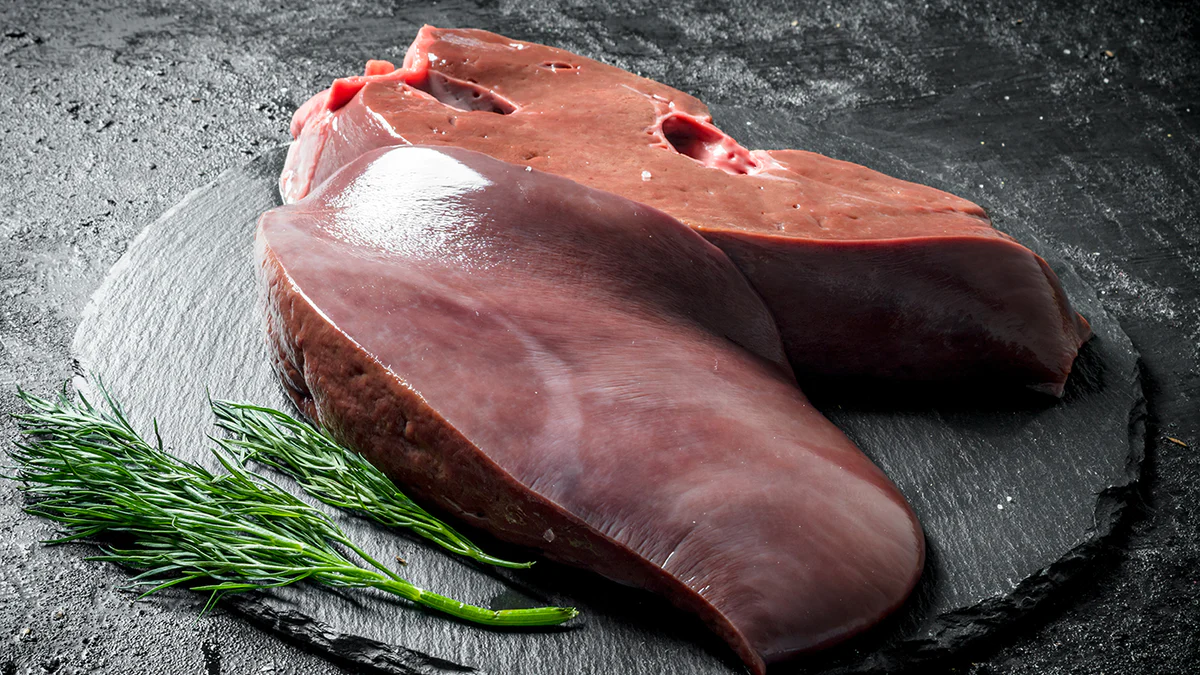
Beef liver stands out as one of the most concentrated sources of nutrients found in any single food. Packing high amounts of all the B vitamins—especially folate, B12, and B6—it supports the body’s key enzymes in the methylation cycle. The liver also delivers more vitamin A than any other food, a nutrient that guides gene activity and strengthens the immune defences. On the mineral front, it shines with easily absorbable iron, which fuels haemoglobin production and bolsters the body’s immune response. Together, these compounds make liver a unrivalled ally for vibrant health.
One of the standout advantages of beef liver is its remarkably dense nutrient profile. Based on USDA data, a 100-gram portion delivers roughly:
29.8 grams of protein
3.6 grams of fat
20,305 IU of vitamin A
26.4 mg of vitamin C
0.5 mg of thiamin
0.9 mg of riboflavin
13.7 mg of niacin
7.6 mg of vitamin B6
84.6 mcg of folate
83.1 mcg of vitamin B12
3.9 mg of iron
MTHFR and Methylation
MTHFR is the gene encoding methylenetetrahydrofolate reductase, an enzyme at the heart of the folate cycle and a cornerstone of methylation. Genetic variations in MTHFR can curtail the enzyme’s effectiveness, undermining methylation and potentially triggering a cascade of health complications.
The two principal MTHFR variants—C677T and A1298C—can reduce enzyme output. Carriers of these variations may experience elevated homocysteine levels, an amino acid whose excess has been correlated with cardiovascular disease, neural tube defects, and in some studies, a heightened cancer risk.
Thankfully, there are effective ways to nurture methylation even if you carry MTHFR gene variants. Chief among these is including nutrient-rich foods like beef liver in your diet, since they deliver the key cofactors needed for smooth methylation cycles.
Beef Liver and Folate
Folate is a critical B-vitamin for methylation, serving as a key player in the cycle that turns homocysteine into methionine, a building block our bodies need for dozens of methylation reactions. Just a 100 gram portion of beef liver packs roughly 55 percent of the daily folate recommendation, and the liver delivers it as 5-methyltetrahydrofolate (5-MTHF), the active form that our cells can start using straight away.
Research backs up the idea that folate-rich foods like liver can help lower homocysteine and fine-tune methylation. An article in the American Journal of Clinical Nutrition showed that a folate-rich diet lowered homocysteine in people with the MTHFR C677T variant. Meanwhile, the Journal of Nutritional Science and Vitaminology reported that healthy adults on a folate-rich regimen showed noticeable gains in methylation metrics.
Beef Liver and Vitamin B12
Vitamin B12 might be the MVP of B vitamins, especially when it comes to making methylation run smoothly. It keeps the folate cycle powered up by stepping in as a critical cofactor for the MTHFR enzyme, making the jump from homocysteine to the safer methionine. Beef liver doesn’t just check the B12 box; a 100-gram portion of this liver delivers about 3,460% of the daily recommendation. Even better, the B12 you get from beef liver is methylcobalamin, the active, body-ready form that doesn’t need any extra work to get to where it’s needed.
Evidence backs up the idea that B12-heavy foods like beef liver can fine-tune methylation. Research in the American Journal of Clinical Nutrition found that healthy adults who added extra B12 to their diets boosted their methylation markers. A separate paper in the European Journal of Clinical Nutrition showed that folks carrying the MTHFR C677T mutation lowered their homocysteine levels when they upped their B12 intake. Together, these studies suggest that beef liver can be a one-stop shop for healthy methylation.
Beef Liver and Vitamin A
Vitamin A is a key fat-soluble vitamin that influences both immune function and the way our genes express themselves. One of its specific tasks is to help keep methylation processes running smoothly by fine-tuning the genes that govern them. Beef liver stands out as a remarkable vitamin A source; a 100-gram portion delivers approximately 3,300% of the daily recommendation. The liver’s vitamin A is in the form of retinol, the body-ready version that’s quickly absorbed and put to good use.
Research backs the idea that vitamin A-rich foods like liver can foster methylation health. One paper in the Journal of Nutrition reported that vitamin A supplements boosted methylation in rats. A separate study in the Journal of Clinical Endocrinology & Metabolism found a similar benefit in healthy adults who took the vitamin. Together, the findings underscore the liver’s appetite for both vitamin A and methylation support.
Conclusion
To sum up, beef liver stands out as a powerhouse of nutrition, supplying a broad spectrum of vitamins and minerals that our bodies need. It boasts generous amounts of B vitamins, particularly folate, B12, and B6, all of which support methylation pathways. Moreover, beef liver delivers a concentrated dose of vitamin A, which is essential for gene regulation and a robust immune response. For people dealing with MTHFR-related methylation challenges, these nutrients can help restore balanced methylation and lower the likelihood of complications tied to methylation breakdown.
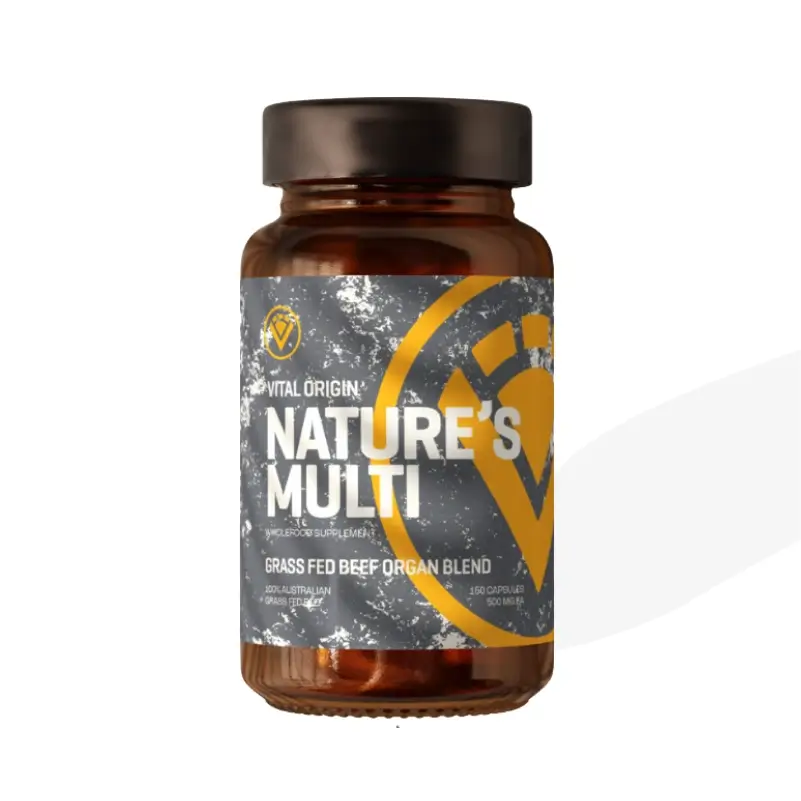
When adding beef liver to your meals, opt for liver that is high-quality and grass-fed, sourced from a trusted provider. Its vitamin A content is impressive, so moderation is key; too much can tip into toxicity. Finally, discussing such dietary additions with a healthcare provider is wise to ensure they align with your overall health picture.




Post a Comment