Loading...
Free shipping Australia wide on orders over $80


Anaemia leads to fatigue, brain fog, and a host of other frustrating symptoms. For women still menstruating, consistent blood loss can gradually tip the scales, making this a widespread concern. Globally, hundreds of millions feel its effects each day. The lion’s share of cases can be traced back to a lack of key nutrients; iron and vitamin B12 rank at the top of the list and are most prevalent in animal foods. For anyone looking to turn this around, beef liver stands out as a powerhouse. With its sky-high levels of both nutrients, just a small portion can leap back iron and B12 levels. In the paragraphs that follow, we’ll unpack why beef liver is a standout remedy for this condition and share practical tips for making it part of your meals so you can boost your energy, lift the fog, and feel like yourself again.
So, what sets the condition in motion? Anaemia boils down to the body falling short in healthy red blood cells, which means oxygen isn’t getting delivered where it’s needed. When that happens, fatigue is the loudest message. Iron is the most common missing link, and it can go low for a handful of reasons: heavy menstrual cycles, the demands of pregnancy, or simply skimping on iron-rich foods like red meat and organ meats.
Yet iron isn’t the entire picture; low levels of vitamin B12 or folate can also raise the odds of anaemia, especially in strict vegetarians or anyone who struggles with nutrient absorption. Conditions like celiac disease or cancer can compromise iron absorption or interfere with red blood cell production, while genetic disorders like sickle cell disease or thalassemia may affect blood cells from the first days of life. Certain medications and autoimmune disorders can heighten the breakdown of red blood cells, steering anaemia in the wrong direction. Nonetheless, in the majority of cases, particularly among women, the problem is simply not getting enough dietary iron—and that’s a relatively easy fix.
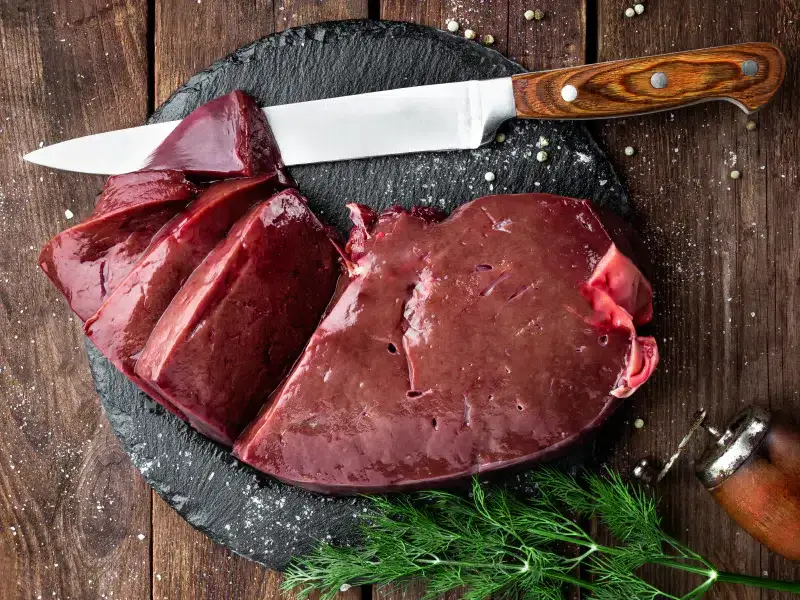
Organ meats like liver are unbelievably concentrated in nutrients, and beef liver stands out for its exceptional levels of iron, folate, B12, copper, and vitamin A, all of which are essential for making healthy red blood cells. For boosting the blood supply, making beef liver part of your plan is one of the smartest strategies you can choose.
Iron plays a starring role in hemoglobin, the molecule that ferries oxygen through your bloodstream. Each hemoglobin unit grips four iron ions that latch onto oxygen in your lungs and pass it along to every living cell. When your iron intake lags, your bone marrow can’t churn out enough hemoglobin; the red blood cells it does turn out are pint-sized, pale, and poorly suited for the oxygen delivery mission. A low haematocrit number shows the strain: a smaller total red blood cell count, plus the cells on hand are smaller and laced with less hemoglobin than they should be.
The body has a brilliant recycling program, salvaging iron from aging red blood cells, but it can only keep up so long. When iron drains out faster than it arrives—due to heavy menstrual cycles, hidden gastrointestinal bleeds, or just an iron-light diet—the system hits its limit. The upshot: tissues that are, for a critical moment, short on the oxygen they require for peak performance.
Beef liver delivers an impressive amount of iron, with 100 grams offering roughly 6.5 mg. This amount provides 81% of the daily recommendation for adult men and 36% for women, making it an excellent dietary source of the mineral.
Vitamins B9, or folate, and B12, or cobalamin, work together in a close and exacting duet that ensures red blood cells mature properly in the bone marrow. B12 acts as the vital catalyst that changes folate into its bioactive form, the only kind that can participate in DNA synthesis. DNA acts as the operating manual every developing red blood cell must follow. Without B12, folate becomes inaccessible in a form the cell cannot use; this is the folate trap. Consequently, the supply of nucleotide building blocks runs low, and red blood cell development stalls. When either vitamin runs low, the marrow starts releasing large, undercooked cells called megaloblasts, which hold too little hemoglobin to carry oxygen effectively. The result is megaloblastic anaemia. The condition has a deceptive timeline: a B12 shortage can linger for years because the liver has deep reserves, while a folate shortage can strip the body of its few-month supply in a matter of weeks.
Folate and vitamin B12 are partners in the process of creating red blood cells; if B12 is lacking, adding extra folate won’t stop the machinery from jamming. That’s why people who eat only plant-based foods need to monitor their B12 carefully, usually resorting to pills or fortified foods to fill the hole. Without B12, the red blood cell production line slows, and anemia can follow even when folate stores look good.
A single serving of beef liver, about 100 grams, offers over 300 micrograms of folate—more than 70 percent of the daily target—along with 70 micrograms of vitamin B12, exceeding the daily recommendation more than twenty-fold.
Copper doesn’t usually make the news, but it quietly stands guard over the most critical step in red cell creation: loading iron into haemoglobin. This trace mineral steps onto the stage as the precise cofactor behind enzymes that escort iron from the gut into the marrow. When copper is present, ceruloplasmin—an ornate copper-bound protein—pries iron from its safe ferritin vault, stripping it of its ferric cloak and handing it over in the ferrous guise marrow can grasp. Should the copper supply dwindle, ceruloplasmin stumbles and iron settles back behind ferritin bars, stubbornly idle. The marrow, starved for the raw material of red cells, mirrors every sign of frank iron deficiency: pallid skin, thin wrists, and a red cell count that leaves the doctor’s eye unsettled. Yet the iron crates visible in the liver betray the ruse—plenty of metal, just no copper to unlock the door. In such copper-scarred labs, russet flecks streak the liver, spelling out a clear and preventable failure in the long, unflashy business of making blood.
Research shows that when reticulocyte cells lack sufficient copper, their iron uptake drops to only 52 percent of normal levels, while heme production plummets to 33 percent of normal. These numbers demonstrate that copper directly impairs both iron mobilization and the assembly of haemoglobin. The evidence firmly indicates that an adequate copper intake is vital for managing iron stores and for the production of robust red blood cells. Consequently, copper discreetly but decisively bolsters iron in the body’s defence against anaemia, thus warranting equal consideration with the more frequently acknowledged micronutrients.
A 100-gram serving of beef liver delivers roughly 14 milligrams of copper, or 1,500 to 1,650 percent of the recommended daily allowance. Use caution, however, as excess copper can lead to toxicity if consumption is not moderated.
Vitamin A plays a quietly essential role in producing red blood cells, ensuring your bone marrow is continually supplied with robust new cells. Being a fat-soluble nutrient, it orchestrates the final maturation steps of blood stem cells, acting as a necessary signal that steers erythropoiesis. If your intake of this vitamin dips too low, you might develop a form of anaemia that closely resembles iron-deficiency anaemia: the red cells become smaller, lose their vivid colour, and the blood film looks the same. Yet the underlying reason is different. In this case, the marrow cannot mobilise the iron it already holds. Vitamin A’s job is to liberate iron from the liver and other depots, making it accessible for haemoglobin synthesis. The irony, however, is that anaemia can still appear despite normal iron stores, because the iron is locked away and the marrow is denied the metal it needs, resulting in the pallor and lack of adequate red cells.
This connection is especially crucial in low-income countries, where iron and vitamin A deficiencies often strike at the same time. When health workers set out to tackle anaemia in these contexts, they discover that combining vitamin A with iron yields stronger improvements than iron supplements alone.
Just 100 grams of beef liver packs more than 5000 micrograms of vitamin A, pushing intake well beyond 500 percent of the adult daily recommendation. Though liver is an efficient source of vitamin A, it is essential to steer clear of overconsumption, since too much vitamin A can cause toxicity. To stay safe, keep daily intake beneath 10,000 IU on average.
To sum up, incorporating beef liver into the meals of someone with anaemia brings clear advantages. The liver is rich in iron, packed with vitamin B12, and contains many other nutrients essential for red blood cell production and for overcoming anaemia. Moderation, however, is key; too much liver can lead to elevated cholesterol and excessive vitamin A. When enjoyed in reasonable portions and as part of a balanced, healthful diet, grass-fed beef liver can serve as a potent ally in boosting overall health and vitality.
Hunt, J. R., & Roughead, Z. K. (2000). Adaptation of iron absorption in men consuming diets with high or low iron bioavailability. The American journal of clinical nutrition, 71(1), 94-102.
Gharib, N. M., Wassef, R. M., & El-Kholi, S. M. (2017). Effect of Liver Intake on Vitamin B12 Status of Egyptian Women. The Journal of nutrition, health & aging, 21(10), 1194-1198.
Milne, D. B., & Johnson, P. E. (2000). Assessment of copper status: effect of age and gender on reference ranges in healthy adults. Clinical chemistry, 46(3), 405-412.